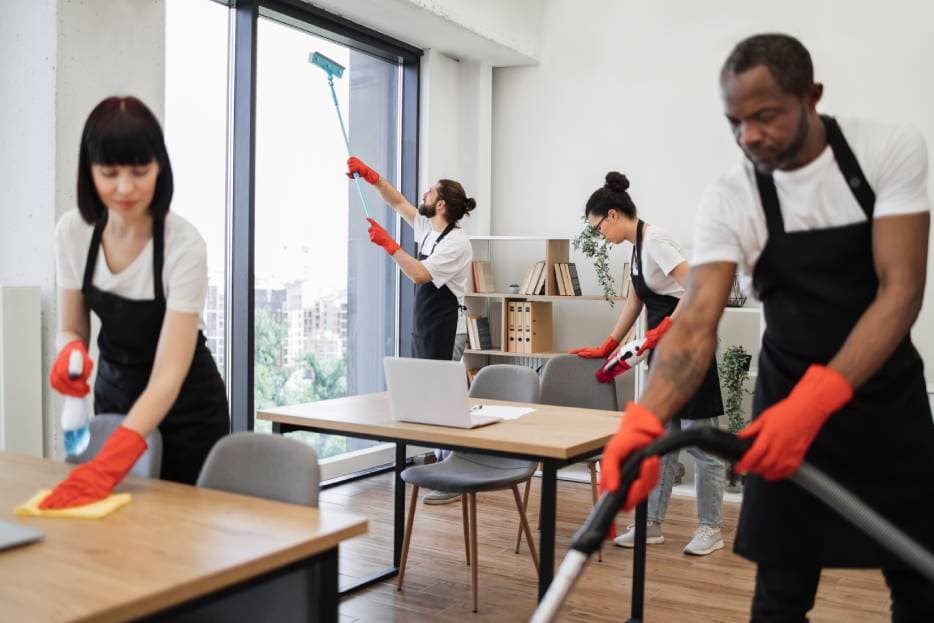
How to Adapt Cleaning Protocols During Rainy Seasons or Extreme Weather
Climate variations not only affect the dynamics of urban environments but also transform the maintenance and cleaning needs of all types of facilities. When rainfall intensifies or temperature changes become drastic, cleaning routines must be adjusted to prevent structural damage, accidents, and the growth of microorganisms.
This is why companies that offer cleaning services in Monterrey have shown that adapting to environmental conditions is essential for maintaining stable and reliable hygiene standards.
Understanding how climate impacts cleaning operations allows businesses to implement more efficient and sustainable strategies that help reduce operating costs, extend the lifespan of materials, and maintain productivity even in adverse environments.
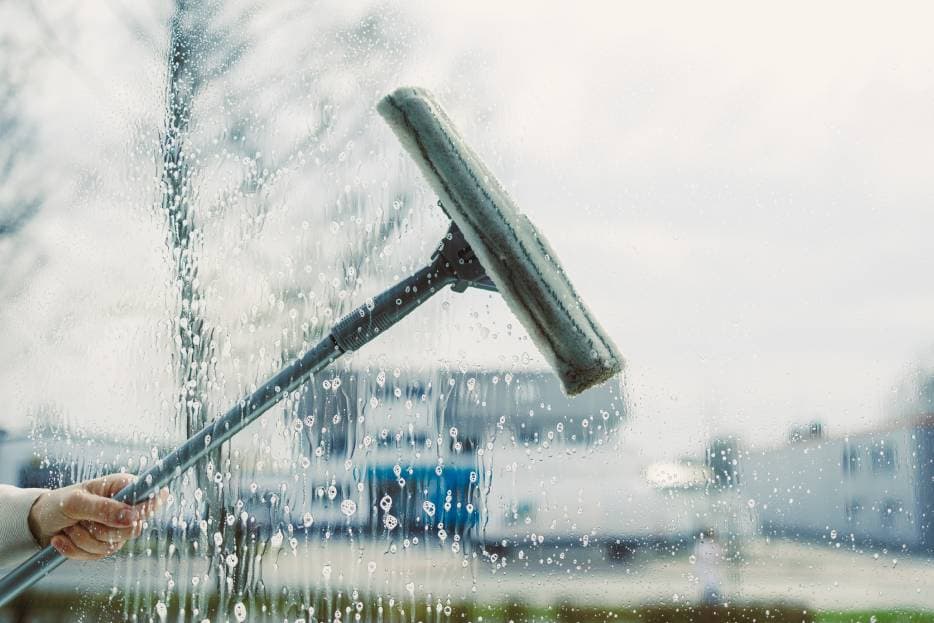
How Weather Conditions Affect Cleaning Routines
Seasonal changes alter air conditions, humidity levels, dust accumulation, and the presence of microorganisms, making it necessary to adjust both cleaning frequency and maintenance methods. In corporate or industrial spaces, adapting to these variables can be the difference between a functional environment and one prone to failures or contamination.
During the rainy season, for example, humidity becomes a persistent threat as it seeps into walls, floors, and ventilation ducts, causing stains, odors, and mold growth. Conversely, during heatwaves, constant evaporation can dry out surfaces, degrade cleaning materials, and reduce the effectiveness of certain chemical products.
The benefits of hiring nighttime cleaning services for corporate offices become especially evident in these conditions, as teams can work with fewer interruptions, take advantage of more stable temperatures, and ensure that spaces are ready for use the next morning.
Necessary Adjustments During the Rainy Season
When the rainy season begins, cleaning challenges multiply. High humidity, water puddles at access points, and constant mud being brought indoors create hazardous conditions that require immediate attention.
Implementing specific protocols helps reduce accidents, protect materials, and avoid long-term damage. Companies that provide cleaning services in Tijuana have developed effective solutions to tackle these scenarios, where prevention is far more cost-efficient than repairs.
1. Adjusting Cleaning Frequency and Schedules
During rainy months, cleaning frequency should increase in high-traffic areas such as entrances, hallways, and loading zones. It is also advisable to adjust cleaning schedules to intervene during periods of lower activity, helping prevent accidents and operational disruption.
Preventive cleaning—especially in spots where water tends to accumulate—helps maintain hygiene and safety without interrupting workflow. Likewise, flexible scheduling supported by constant supervision ensures safe execution even when weather conditions are unpredictable.
2. Choosing the Right Products for High-Humidity Environments
Not all cleaning products maintain their effectiveness in humid conditions. Some disinfectants lose concentration, and certain detergents may leave sticky or slippery residues. For this reason, it is essential to select formulas with antimicrobial properties that resist humidity and dry quickly.
The use of microfiber cloths and mops, industrial vacuums with HEPA filters, and neutral products that do not damage coatings becomes a priority.
3. Preventing Water and Mold Buildup
Water accumulation on roofs, patios, or poorly ventilated corners is one of the main causes of structural deterioration. Cleaning routines should include regular inspections of gutters, drains, and drainage systems to prevent clogging.
Likewise, it is essential to dry surfaces thoroughly after washing, especially in warehouses, hallways, or areas with limited sunlight exposure.
4. Special Care for Floors and Slippery Surfaces
Protocols should include the use of absorbent mats, warning signs, and anti-slip products. Cleaning must be performed using well-wrung mops and fast-drying liquids to minimize the risk of slips and falls.
It is also advisable to reinforce maintenance of coatings and surface sealants, as humidity can erode them quickly.

Efficient Cleaning in Extreme Weather
Extreme conditions—whether heatwaves or cold fronts—represent another type of challenge for cleaning operations. In these scenarios, worker safety and the stability of cleaning products become even more important.
1. Protocols for Very High or Low Temperatures
In high temperatures, water evaporates more quickly, affecting rinsing or drying processes. Meanwhile, in cold environments, some products may crystallize or become more viscous.
To counter these effects, it is recommended to regulate the temperature of storage areas and protect supplies from direct sunlight or frost. Procedures should also be adjusted to reduce personnel exposure to extreme conditions.
2. Protecting Cleaning Personnel and Equipment
In hot climates, it is necessary to provide light uniforms, proper ventilation, and access to drinking water. In cold environments, thermal gloves and waterproof clothing are required.
Cleaning equipment—such as polishers or vacuum machines—also needs frequent inspections, as condensation or overheating can affect performance. Preventive maintenance routines help avoid failures and extend equipment lifespan.
3. Proper Handling of Climate-Sensitive Chemical Products
Many cleaning products lose stability with temperature changes, making it crucial to store chemicals in ventilated areas protected from direct sunlight and humidity. Technical data sheets must be reviewed to understand temperature exposure limits and ensure product effectiveness year-round.
Clear labeling and an updated inventory help prevent waste and guarantee traceability—key elements for meeting industrial safety regulations.
Adapting cleaning protocols to climate conditions is not optional; it is a necessary practice to ensure operational continuity, well-being, and efficiency. Rainy seasons and extreme weather highlight the importance of planning, training, and executing each cleaning action with precision.
Every adjustment—from frequency to product selection—contributes to creating a safer, cleaner, and more resilient environment, reinforcing the value of professional cleaning services that deliver consistent results regardless of weather conditions.