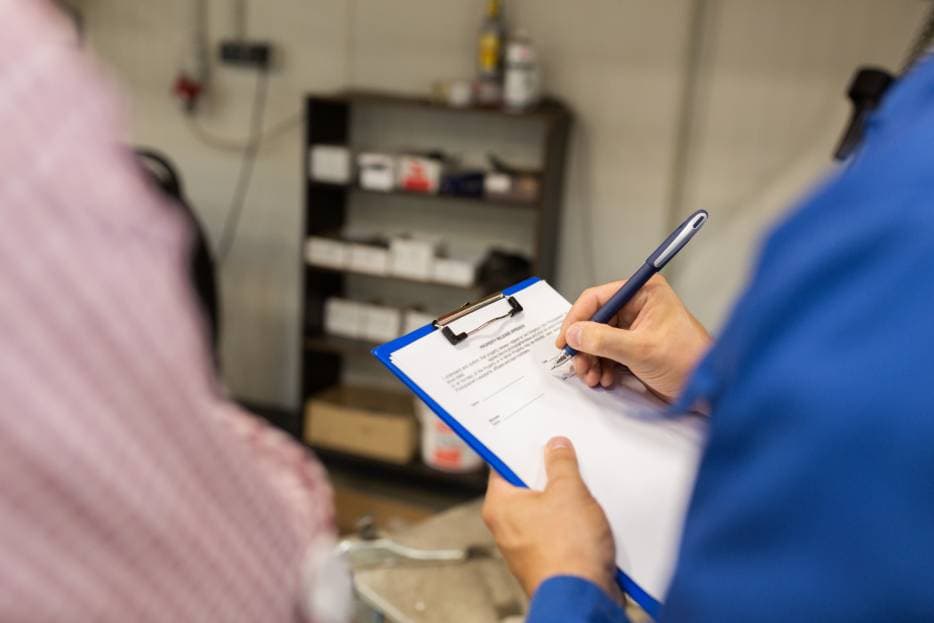
A health inspection is not an exam that can be passed through improvisation; companies operating in environments where cleanliness and safety are essential, such as industrial plants, logistics centers, or corporate spaces, know that preparation must be constant.
Reviewing protocols, training staff, and maintaining a continuous hygiene culture can make the difference between smooth operations and a temporary shutdown. In this regard, planning is decisive, as are the benefits of hiring nighttime cleaning in corporate offices, a practice that reflects the importance of maintaining business continuity without neglecting environmental sanitation.
Preparing for a health inspection means ensuring that every area, record, and procedure complies with the standards required by authorities. It's not just about meeting regulations, but about protecting the company's reputation, ensuring product or service quality, and preserving the trust of clients and employees.
Importance of Preparation for a Health Inspection
Anticipating a health inspection means understanding that compliance is not built overnight. Cleanliness, traceability, and constant staff training form an operational chain that guarantees sustainable results. Maintaining systematic and verifiable routines is essential to avoid setbacks.
Companies that hire cleaning services in Monterrey or other industrial cities in the country do so because a clean and controlled environment reduces risks during audits or verifications by authorities. Thus, the inspection ceases to be a moment of tension and becomes an opportunity to validate a job well done.
In this way, proper preparation avoids penalties, operational losses, and deterioration of corporate image. The inspection not only evaluates the surface, but the consistency of procedures, staff training, and the seriousness with which the organization assumes hygiene as a corporate value.
Strategies to Meet Health Standards
Before an inspection, organizations must adopt a comprehensive approach that includes evaluation, maintenance, and education. These strategies not only strengthen daily operations but also facilitate compliance with any external review.
Companies that implement cleaning services in Mexico City, for example, integrate monitoring systems and safety protocols that guarantee the traceability of each process, providing greater control and security when dealing with authorities.
Meeting health standards involves planning, assigning responsibilities, establishing records, and fostering a proactive hygiene culture.
1. Initial Facility Assessment
The first step in preparing your facilities is to conduct a thorough diagnosis of the current state of the spaces. This assessment should include both visible aspects, such as cleanliness, order, or maintenance, as well as less obvious ones, such as ventilation, critical contact points, and waste management.
The review should be carried out with objective criteria and, preferably, with the participation of a health officer or external consultant who identifies areas for improvement. The result will be a clear map of risks and priorities.
A good initial assessment allows you to establish compliance indicators and design an action plan with dates and responsible parties. Critical areas, such as storage or product handling zones, should receive priority attention. This way, any observation during the inspection can be addressed with documentary evidence and previous corrective actions.
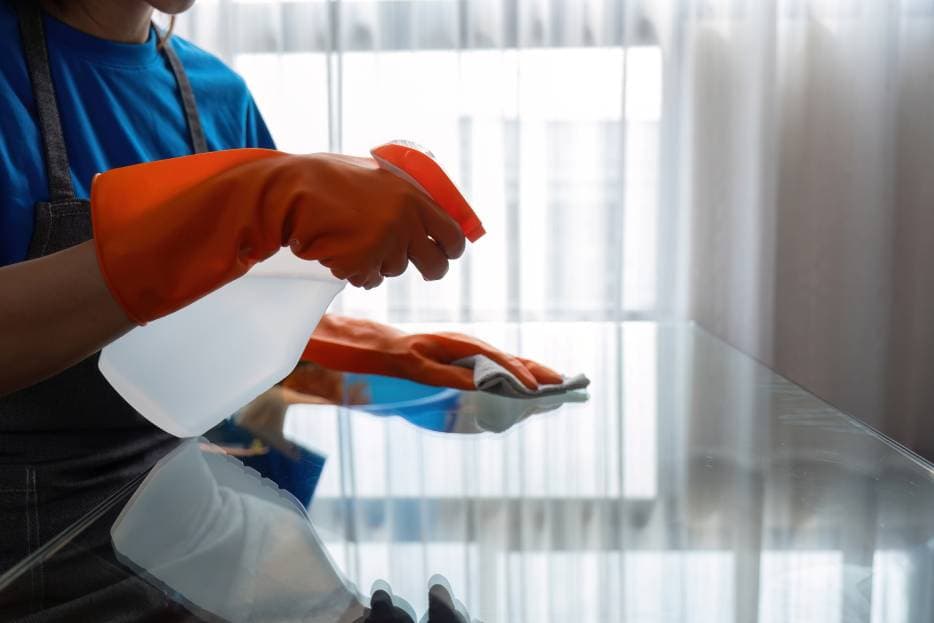
2. Cleaning, Disinfection, and Pest Control
These three factors represent the core of any health inspection. Surface cleaning is not enough; disinfection must follow defined protocols, with certified products and trained personnel. Each surface must have a visible and updated maintenance schedule.
Pest control requires constant monitoring, so traps, records, and logs must be documented and accessible, as they are among the first pieces of evidence that inspectors request. Keeping entrances sealed, cleaning external areas, and checking drainage systems are essential practices to prevent infestations.
Integrating specialized professional services can elevate the quality of maintenance. These teams apply standardized methodologies and deliver verifiable reports, which strengthens evidence before health authorities.
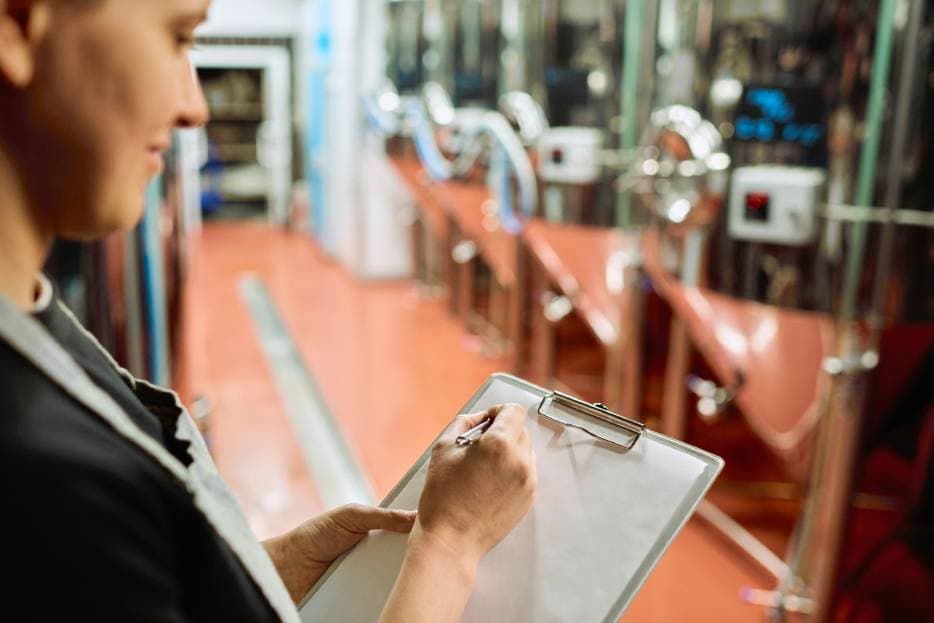
3. Staff Training in Safety Practices
An impeccable facility can lose valuable points if staff are unaware of hygiene or material handling procedures. Therefore, continuous training is a pillar of preparation for any inspection.
Training should include the use of personal protective equipment, handling of chemical products, proper handwashing, and tool cleaning. It should also address the identification of health risks and how to report them.
The goal is for employees to understand the impact of their actions on the overall safety of the environment. An informed employee acts with judgment, reduces errors, and reinforces the sanitary culture.
Additionally, training certificates are part of the documentation that authorities review. Keeping them updated and organized demonstrates institutional commitment and facilitates verification during the inspection.
4. Documentation and Traceability
No preparation is complete without clear and verifiable records, as documentation is the tangible proof that cleaning, disinfection, and pest control activities are carried out systematically.
Each action must be recorded in logs or digital systems, with date, responsible party, and result. This includes temperature controls, equipment maintenance, incident reports, chemical product certificates, and training records.
Process traceability allows you to reconstruct the history of any operational activity. During an inspection, having organized and updated evidence can be the difference between a minor observation and a penalty.
As we can see, proper preparation does not mean "simulating compliance," but rather building a solid structure of hygiene and control that can withstand any audit. Each review should be seen as an opportunity to perfect internal processes and demonstrate operational maturity.