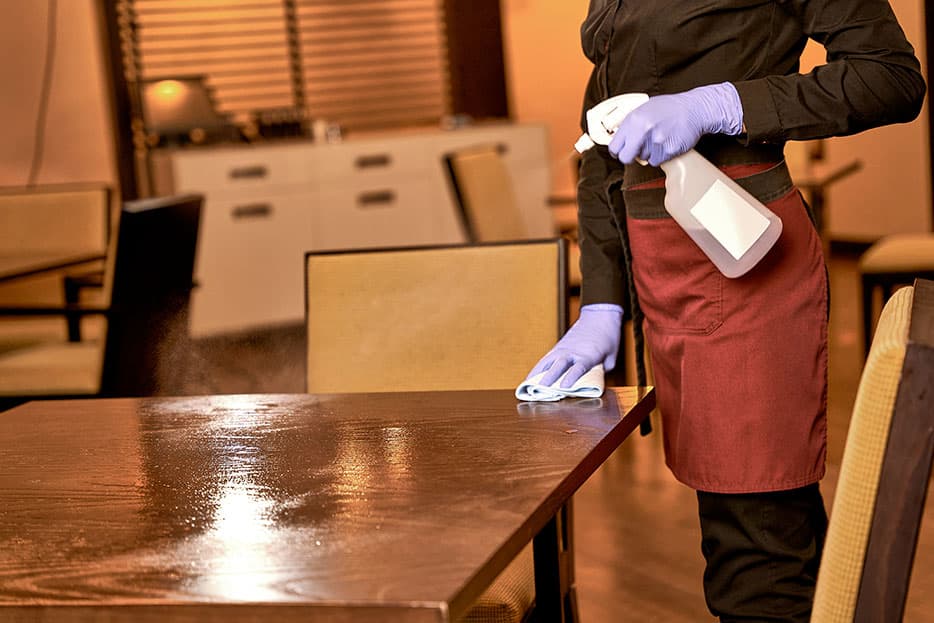
How to Prevent Pests in Restaurants with a Professional Hygiene Plan
In our latest blog, we showed you how to prepare your facilities for a health inspection, whether you run a clinic, a retail store, or a restaurant. However, restaurants are often among the establishments exposed to the highest level of risk.
Keeping a restaurant free of pests is not just a matter of cleanliness—it is a legal obligation and a key factor in protecting your business’s reputation. Cockroaches, rodents, or mosquitoes can appear even in well-managed kitchens if there is no solid preventive strategy in place.
That is why having a professional hygiene and pest control plan has become the most effective way to ensure food safety, maintain sanitary standards, and deliver an impeccable customer experience.
In this guide, you will discover how to prevent pests in restaurants through preventive practices, the implementation of protocols and comprehensive systems that keep every area under control, as well as the importance of hiring professional cleaning services in Monterrey.
Why Is Pest Prevention Essential in a Restaurant?
Preventing pests in a restaurant is essential to ensure food safety and provide a reliable environment for both customers and employees. Even a minimal infestation can compromise food quality, contaminate surfaces, and pose risks to public health. For this reason, prevention is not optional—it is a fundamental pillar of any food service business.
Beyond health concerns, the presence of pests can seriously damage a restaurant’s reputation. In the digital age, a single negative review or a photo shared on social media can quickly go viral, affecting sales and customer trust. Once the perception of poor hygiene is established, it is difficult to reverse, which makes prevention far more effective than reacting once the problem is visible.
Another key reason to implement preventive measures is compliance with health regulations and audits. Authorities enforce strict standards, and a failed inspection can result in fines, temporary closure, or the loss of certifications.
Main Pests That Affect Restaurants
As you may have noticed, pests represent a constant threat to restaurants. Identifying the most common species is the first step toward establishing effective preventive measures. Each type of pest has different behaviors, risks, and entry points, so recognizing the signs of their presence can make the difference between a safe establishment and a vulnerable one.
1. Cockroaches
Cockroaches are one of the most common pests in professional kitchens. Their ability to hide in cracks, pipes, and damp areas makes them difficult to detect with the naked eye. They can also carry bacteria such as Salmonella or
E. coli
, contaminating utensils and food. Their rapid reproduction means that even a small oversight can quickly turn into a serious infestation.2. Rodents
Mice and rats are drawn to restaurants because of the constant availability of food and shelter. They can gnaw through packaging, damage electrical installations, and leave contaminating droppings in critical areas of the business. Their presence not only poses health risks but can also cause costly structural damage and lead to immediate sanctions or closure.
3. Mosquitoes and flies
These insects are attracted to organic waste, fruit, damp areas, and drains. Although they may seem less dangerous than other pests, they can transmit microorganisms when they land on food and surfaces. Their presence also negatively affects the customer experience, especially in dining areas and outdoor terraces.
4. Other insects
Ants often appear in search of food scraps and can quickly invade pantries and kitchens if they find accessible sources. Other pests, such as pantry beetles or food moths, can contaminate flour, grains, and stored raw materials. All of them require constant monitoring to prevent damage and financial losses.
Signs That Indicate the Presence of Pests
Early detection of pests is essential to prevent a small issue from becoming a serious infestation. Many early signs go unnoticed because they occur in less visible areas or during hours when the restaurant is not operating.
For this reason, it is important for staff to know what signs to look for and to maintain constant vigilance throughout the establishment. Rodent droppings, dark stains, wing fragments, or small holes in packaging are clear indicators of pest activity.
Unpleasant odors are also common, especially in cases involving cockroaches or rodents, as they release pheromones and substances that leave a noticeable trail for trained personnel. Any unusual change in the environment should be treated as a warning sign.
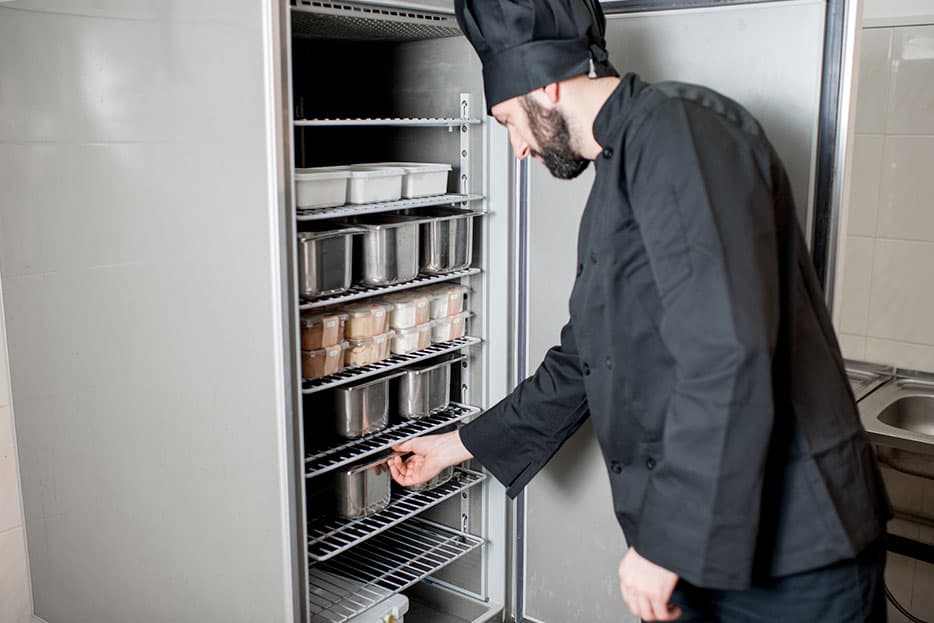
The most common areas where pests appear include kitchens, storage rooms, refrigeration units, and waste disposal areas. Footprints, droppings behind appliances, or under work surfaces are common indicators. Damaged packaging or spilled food can also signal the presence of insects or rodents.
How to Prevent Pests in Restaurants Step by Step
When it comes to pest prevention, the first thing to understand is that it requires a consistent and well-organized strategy. Occasional cleaning is not enough—prevention must be part of daily routines and the business’s hygiene management system.
Applying a step-by-step approach helps keep the premises in optimal condition, prevents contamination, and ensures compliance with health regulations. Below, we share one of our preferred strategies.
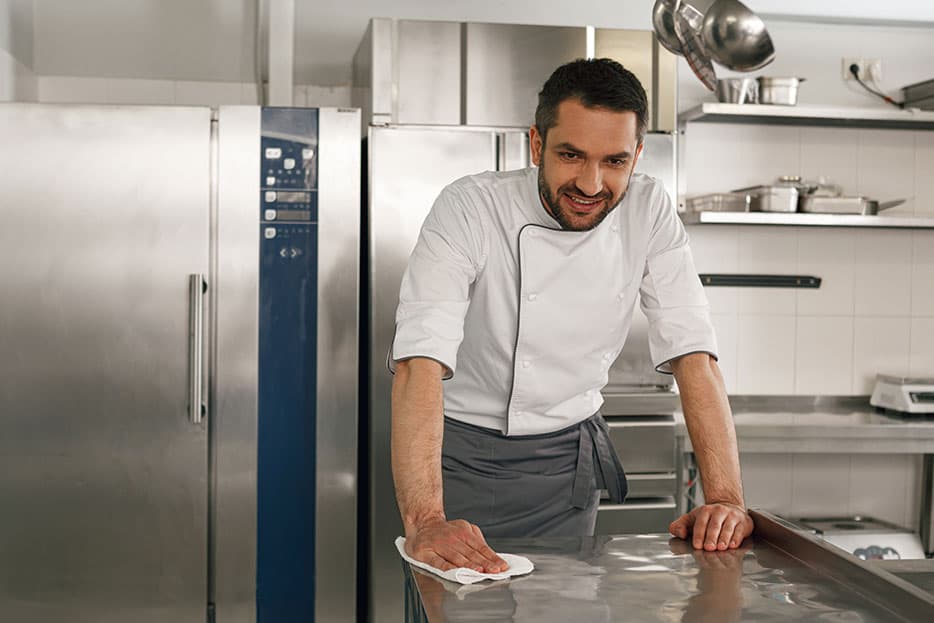
1. Deep cleaning of the kitchen and food preparation areas
The kitchen is the most vulnerable area, where pests can easily find food. It is essential to clean and disinfect surfaces, appliances, hoods, drains, and floors at the end of each shift. This also includes cleaning behind heavy equipment, which should be moved regularly to eliminate residues that attract insects and rodents.
2. Proper waste management
Trash containers should remain closed, be emptied frequently, and cleaned regularly to prevent odors and residues that attract pests. It is also recommended to use durable bags, separate waste properly, and ensure that waste storage areas are well ventilated and free of organic residue.
3. Storage and raw material control
Pests often target stored food, so it is crucial to apply the FIFO (First In, First Out) method, check expiration dates, keep containers tightly sealed, and store ingredients on shelves elevated from the floor. Regular inspections of packages, sacks, or boxes also help detect damage or signs of pantry pests.
4. Access point inspection and facility maintenance
Finally, pests can enter through cracks, pipes, poorly sealed doors, or unprotected windows. Sealing gaps, installing door sweeps, and placing screens on ventilation openings significantly reduces the risk of entry. It is also important to repair water leaks, as moisture encourages the proliferation of cockroaches and other insects.
Now that you know how to prevent pests in your restaurant, don’t forget to share this article if you found it useful and stay tuned to our blog for more information.