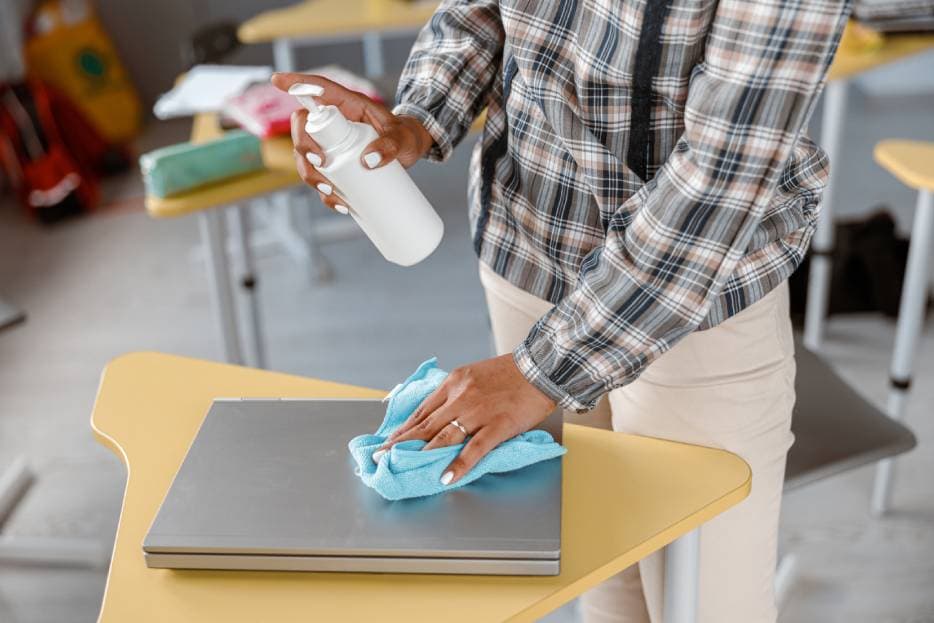
The Importance of Eco-Friendly Cleaning in Educational Institutions
Educational institutions are spaces where critical thinking is shaped — but also where caring for the environment is learned. Implementing eco-friendly cleaning practices turns daily hygiene into a pedagogical act, teaching students that health and the environment are closely connected.
It’s not just about keeping classrooms spotless, but about promoting an environmental culture that begins in the hallways, laboratories, and classrooms.
Today, more and more schools rely on cleaning services in Monterrey that use biodegradable products, certified protocols, and sustainable strategies. This shift not only reduces exposure to harmful chemicals but also promotes safer, healthier environments that align with educational values.
By prioritizing well-being and resource efficiency, schools create a more balanced environment where air quality improves, absenteeism decreases, and student focus increases. In this sense, sustainability becomes more than an abstract goal — it turns into a daily practice taught by example.
Relevance of Eco-Friendly Cleaning in Educational Institutions
Eco-friendly cleaning represents a comprehensive commitment to health, sustainability, and responsible management of school spaces. Unlike other methods that rely on harsh chemicals, this approach uses biodegradable products, low-impact techniques, and preventive processes that benefit both people and the environment.
Maintaining a healthy environment not only reduces illnesses but also helps prepare facilities for sanitary inspections, as ecological protocols comply with stricter hygiene, traceability, and documentation standards. This way, institutions not only meet regulations but also project an image of commitment and transparency toward parents, students, and authorities.
Moreover, eco-friendly cleaning practices reduce the environmental footprint, protect water and urban biodiversity, and foster more efficient resource management. This demonstrates that sustainability can go hand in hand with operational efficiency and educational responsibility.
Sustainable Strategies to Maintain Healthy School Spaces
Incorporating eco-friendly cleaning strategies doesn’t require major investments — it requires a coherent, holistic vision. Cleaning services in Mexico City (CDMX) have been pioneers in developing models that combine training, technology, and environmental responsibility.
When applied consistently, these actions help maintain clean and healthy school environments without compromising the natural surroundings.
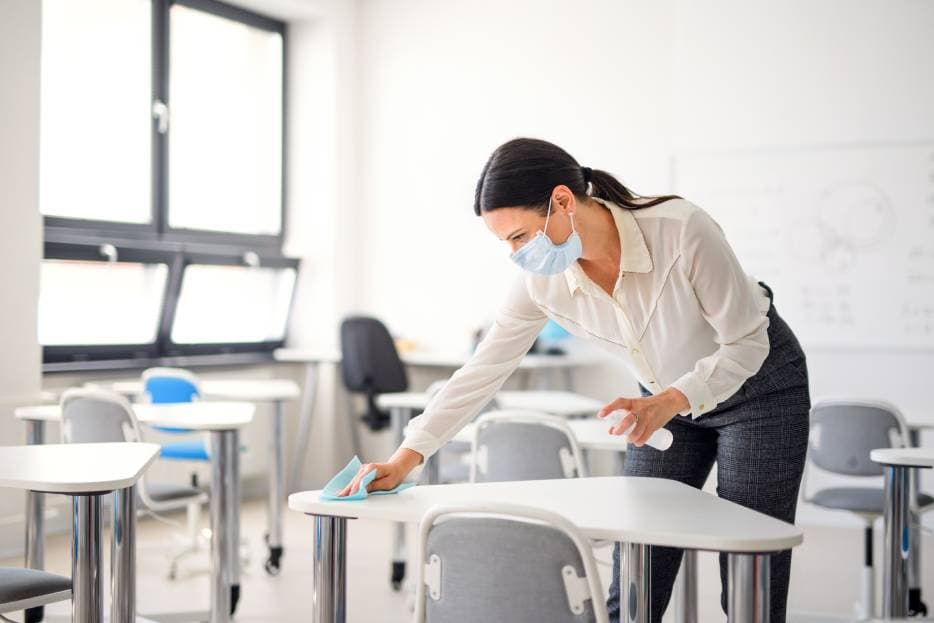
1. Use of Biodegradable and Non-Toxic Products
The first step toward sustainability is replacing harsh chemicals with biodegradable, non-toxic products. These materials decompose naturally, preventing water pollution and reducing environmental impact.
Their use protects students’ and workers’ respiratory and skin health and improves indoor air quality. Similarly, choosing recyclable packaging, local suppliers, and smart dosing systems encourages a more responsible circular economy.
2. Training Cleaning Staff
The success of any ecological plan depends on the training and commitment of cleaning staff. It’s not enough to change products — new techniques must be taught for product application, water conservation, and safe material handling.
Training workers fosters a sense of belonging and responsibility. A team aware of its impact can identify critical areas, reduce waste, and optimize resources. Moreover, when staff understand the purpose behind each action, they become active agents of change within the institution.
3. Waste Management and Recycling in Schools
Truly eco-friendly cleaning goes beyond using green products — it also requires efficient waste management. Implementing recycling systems with material separation, labeled containers, and internal campaigns allows the entire community to take part in waste reduction.
School recycling encourages responsible consumption habits, reduces landfill waste, and creates more organized spaces. Additionally, it can be integrated into educational programs where students learn about material life cycles and their environmental impact.
4. Optimizing Water and Energy Consumption
Eco-friendly cleaning also means using natural resources efficiently. Using microfiber mops, dry-cleaning systems, and low-energy equipment significantly reduces water and energy consumption.
Schools that implement these measures achieve considerable operational savings and help lower their carbon footprint. At the same time, preventive maintenance of lighting, ventilation, and plumbing systems extends equipment lifespan and strengthens school infrastructure sustainably.
5. Involving the Educational Community
Eco-friendly cleaning cannot depend solely on cleaning staff — it requires the involvement of the entire educational community, from administrators to students. Awareness campaigns, recycling projects, and shared cleaning days strengthen collective responsibility.
When students participate, they understand that maintaining a clean environment is an act of respect toward others and the planet. Teachers can also integrate these topics into their curriculum, reinforcing learning through real experiences.
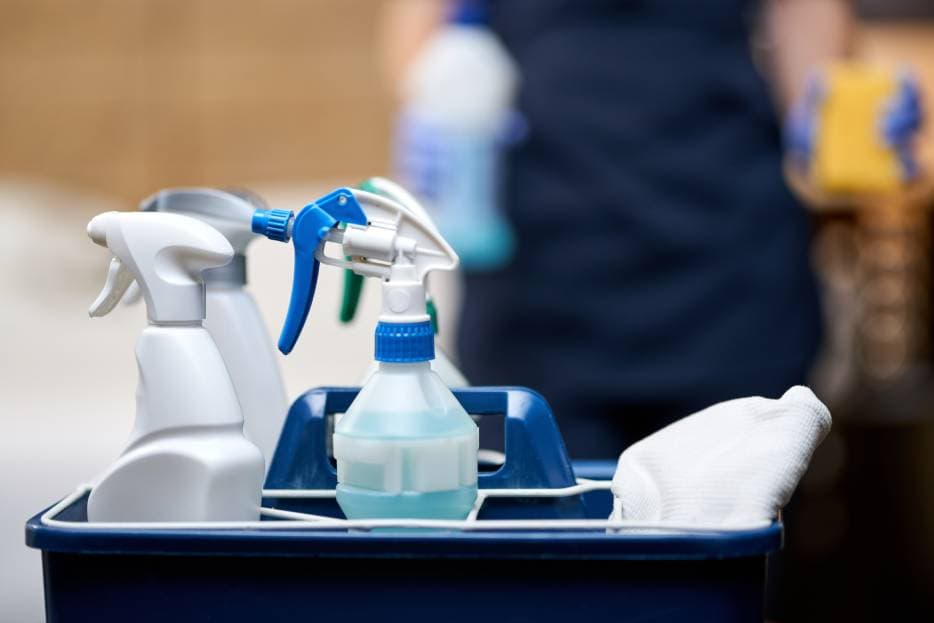
An environmentally conscious school doesn’t just teach about sustainability — it practices it daily, turning environmental education into a living experience.
Choosing eco-friendly cleaning in educational institutions means committing to a comprehensive model of well-being, coherence, and sustainability. It’s not just about replacing products but redefining the relationship between cleanliness, health, and learning.
Each surface cared for responsibly and each properly managed waste item becomes an act of awareness, transforming the educational environment into a living space of environmental learning. When a school adopts these practices, it sends a clear message: educating also means caring for the place where learning happens.