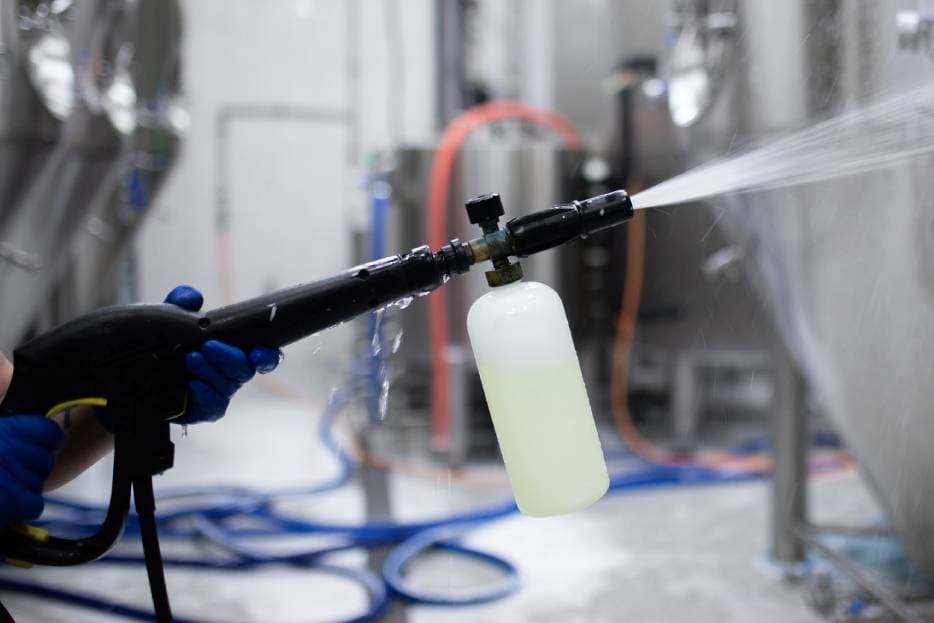
Importance of Industrial Cleaning for Accident Prevention
An industrial plant is more than just an efficient production chain and commercial growth; its internal and external presentation is also a key factor for proper management of resources, spaces, and personnel. Therefore, an industrial cleaning service is essential for the plant’s self-maintenance and for maintaining a positive image among business partners.
Constant maintenance of work equipment, production areas, and office spaces contributes to creating a healthy and suitable environment for all personnel. Likewise, it helps increase productivity in each department by encouraging worker efficiency through clean and controlled spaces.
In many cases, timely cleaning and maintenance also help prevent accidents within the industrial plant, serious injuries to workers, and economic losses caused by repairs.
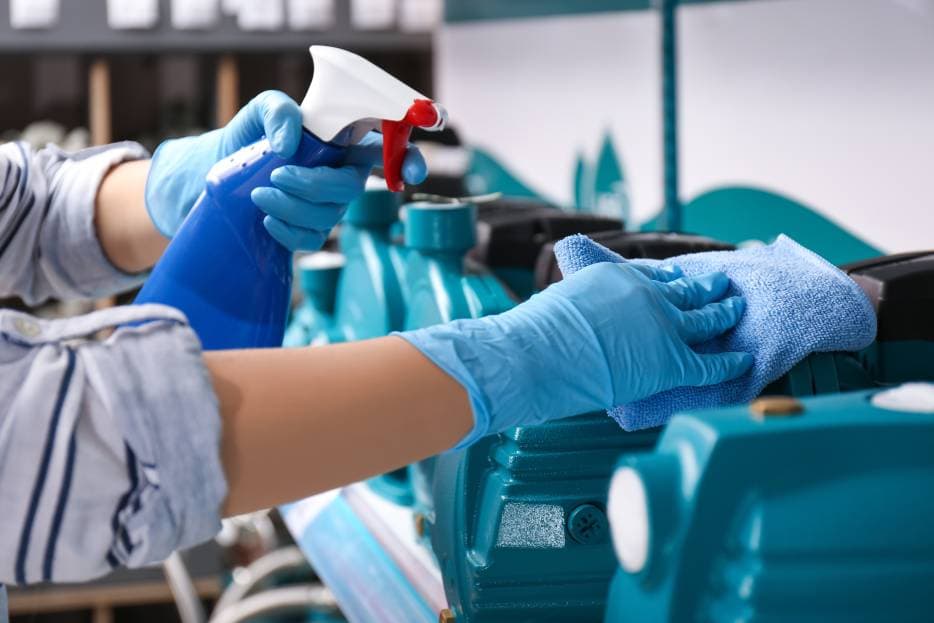
Why seek an industrial cleaning service?
In any industrial environment, improving safety in factories and industries must be a permanent priority. Production plants, warehouses, and workshops concentrate heavy machinery, chemical substances, flammable materials, and high-risk processes that require constant control and supervision.
For this reason, industrial cleaning is not only a matter of aesthetics or organization, but also a key strategy for preventing workplace accidents. Maintaining clean and organized facilities significantly reduces the likelihood of incidents that can affect workers’ physical safety, operational continuity, and the company’s reputation.
To better understand how industrial cleaning benefits personnel protection and industrial productivity, below are the effects of professional hygiene services in these sectors.
1. Reduction of slip and fall risks
One of the most common accidents in industrial environments involves slips, trips, and falls. The accumulation of liquids, oils, dust, production waste, or poorly stored materials in corridors and work areas can create hazardous surfaces that put all personnel at risk.
Consistent industrial cleaning allows immediate spill removal, keeps floors free of obstacles, and ensures transit areas remain clear. Proper signage and preventive cleaning protocols also reduce the likelihood of accidents that, although seemingly minor, can cause serious injuries and work absenteeism.
2. Prevention of fires and explosions
In many industrial sectors, the accumulation of dust, flammable waste, or chemical substances represents a significant fire risk. Fine suspended dust, for example, can become explosive under certain conditions.
Specialized industrial cleaning includes the safe removal of combustible waste, proper disposal of hazardous materials, and adequate maintenance of ventilation systems. These actions greatly reduce the possibility that a spark or electrical failure could trigger a fire or explosion, protecting both personnel and infrastructure.
3. Machinery maintenance
The accumulation of dirt, grease, or residues on equipment and machinery can affect performance, cause overheating, or lead to unexpected mechanical failures. When machinery does not operate properly, the risk of accidents, entrapment, or structural failures increases.
A planned industrial cleaning program helps extend equipment lifespan, detect anomalies early, and ensure machines operate under safe conditions. This not only prevents accidents but also reduces repair costs and production downtime.
4. Control of hazardous substances
In chemical, pharmaceutical, food, or manufacturing industries, handling hazardous substances is part of daily operations. Inadequate cleaning may cause contamination, accidental exposure, or spills that affect workers’ health.
Professional industrial cleaning includes specific protocols for handling and disposing of hazardous waste, using personal protective equipment, and applying suitable products for each surface and substance. This helps minimize risks of poisoning, burns, or occupational illnesses.
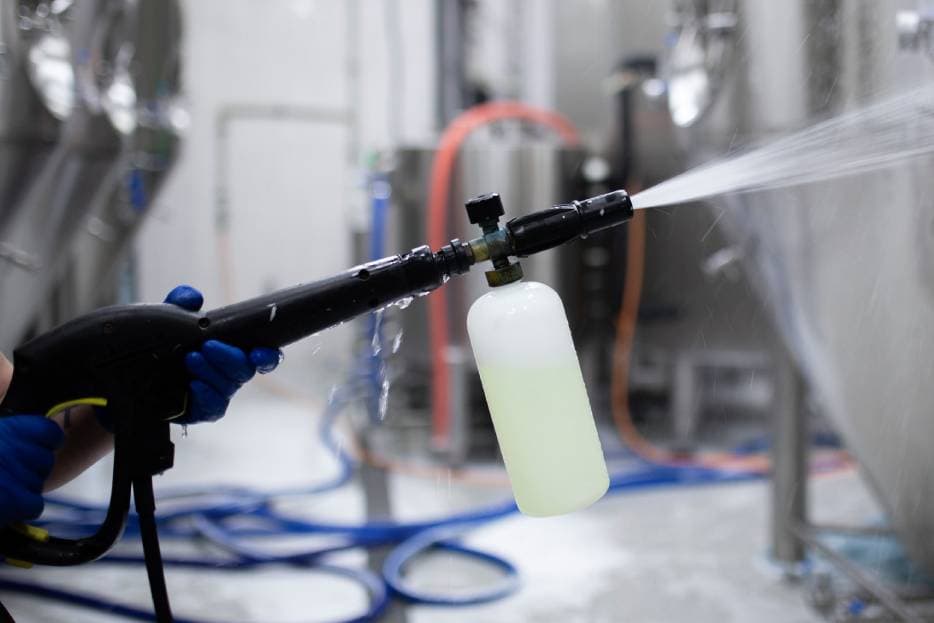
5. Organization and safety culture
A clean and organized space makes it easier to identify potential risks, such as loose cables, misplaced tools, or defective equipment. Additionally, cleanliness promotes a culture of shared responsibility, where each worker understands the importance of maintaining a safe environment.
6. Regulatory compliance and reputation
Labor and industrial safety authorities establish regulations requiring adequate hygiene and safety conditions in workplaces to protect both production processes and personnel. Non-compliance can result in penalties, fines, or even operational shutdowns.
Maintaining proper industrial cleaning standards prevents legal issues and improves the company’s image among clients, investors, and employees, demonstrating commitment to safety and workplace well-being.
Industrial cleaning is an essential component in accident prevention within any productive environment. By reducing risks of falls, fires, mechanical failures, and exposure to hazardous substances, it protects workers’ health and ensures operational continuity.
We invite you to continue following our blog to learn more about hygiene and safety measures required in industrial plants. Beyond a routine task, industrial cleaning should be understood as a strategic investment in safety, efficiency, and corporate responsibility.