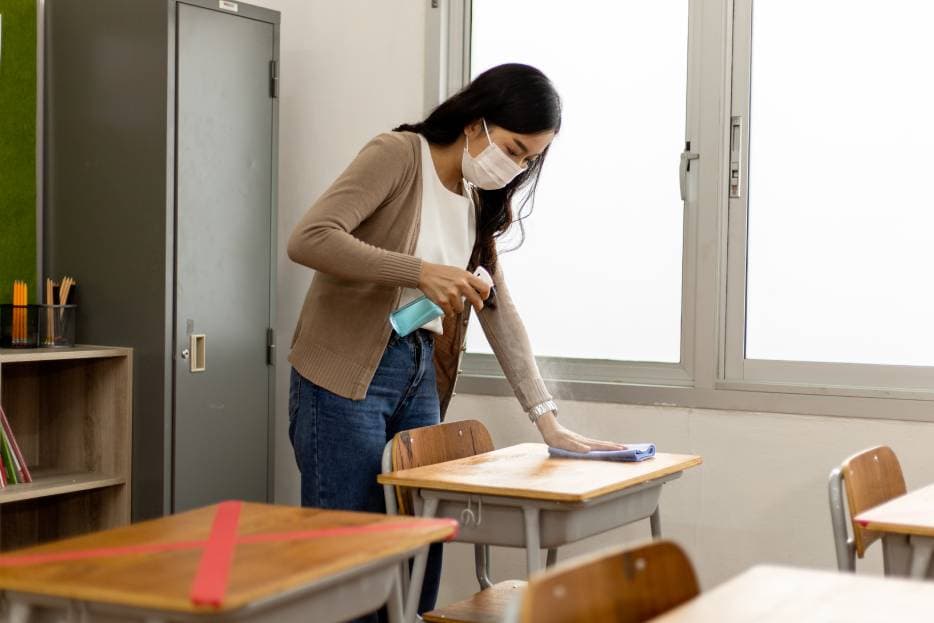
Preventing Outbreaks in Schools Through Professional Cleaning
A virus can spread faster than you might expect—especially in a classroom full of students who share desks, materials, common areas, and restrooms. Schools are environments where infections can emerge within hours and quickly reach alarming levels, putting the entire school community at risk.
Today more than ever, educational institutions need clear and up-to-date deep hygiene protocols to prevent outbreaks that disrupt academic continuity. That’s why hiring professional cleaning services in Monterrey helps improve the school environment while protecting students, teachers, and administrative staff.
What Should Cleaning in Schools Be Like?
School cleaning must be consistent, strategic, and professional—not merely aesthetic. Sweeping or wiping surfaces is not enough. Educational facilities require specialized processes to eliminate microorganisms that accumulate due to the intensive use of spaces and surfaces.
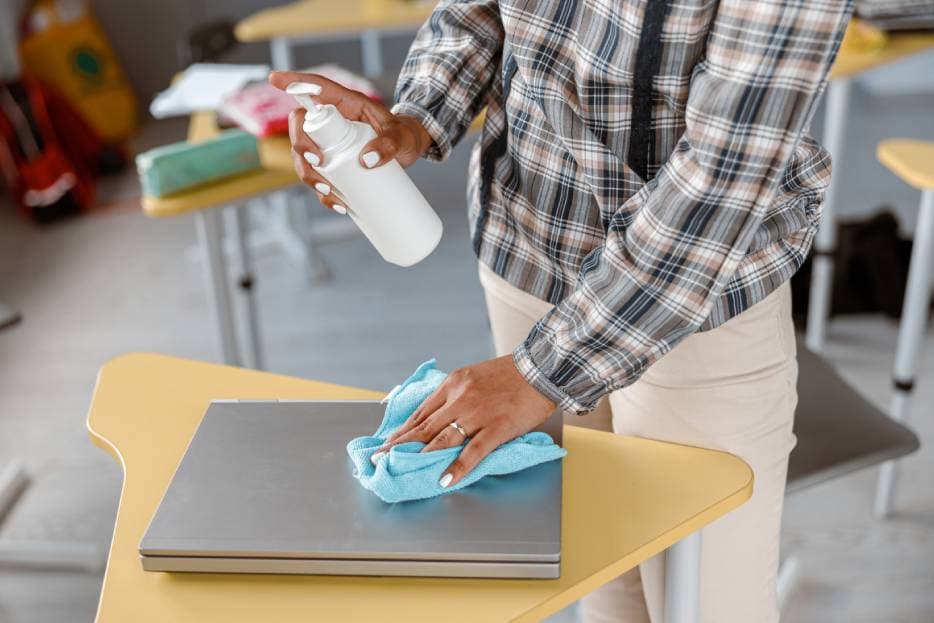
Effective school cleaning must address high-touch surfaces (desks, door handles, railings, switches, computers, teaching materials, etc.) and include restroom cleaning under strict sanitation protocols.
Expert-Approved Cleaning and Disinfection Protocols
These protocols should be based on international standards such as those established by the WHO, the CDC, and local health authorities. Experts agree that outbreak prevention depends on consistency, proper technique, and the products used.
1. Cleaning Approach
Surfaces must first be cleaned to remove physical dirt, and then disinfected to eliminate microorganisms. Skipping the first step reduces the effectiveness of any disinfectant.
2. Modern Professional Methods
School cleaning companies incorporate advanced technologies, such as:
Cold fogging for large areas
Electrostatic application for full surface coverage
UV-C light in critical zones
Hospital-grade disinfectants
These methods are fast, safe, and significantly reduce the risk of outbreaks.
3. Clearly Defined Cleaning Routes
Similar to nighttime cleaning in corporate offices, experts recommend establishing daily cleaning routes so that no critical areas are overlooked.
4. Continuous Training
A protocol is only effective if those implementing it understand the methodology. Training in hygiene practices, chemical safety, equipment use, and disinfectant exposure times ensures consistent results.
How Often Should Deep Cleaning Be Performed in a School?
Deep cleaning is not required daily, but it must be strategic. Recommendations vary depending on education level, number of students, and seasonal factors.
1. Monthly Deep Cleaning
For schools with high attendance, a monthly deep cleaning service is ideal. This includes floor washing and disinfection, detailed furniture cleaning, specialized sanitization of high-touch surfaces, deep restroom and shower cleaning, and inspection of ventilation systems and filters.
2. Reinforcement During Peak Epidemiological Seasons
During flu season, respiratory virus outbreaks, or periods of extreme heat (which encourage bacterial growth), deep cleaning every two weeks is recommended.
3. Semiannual Comprehensive Cleaning
This is the most thorough type of cleaning and often involves contracting professional cleaning services in Mexico City or similar providers. It includes full disinfection of classrooms, auditoriums, and libraries; cleaning of ceilings, vents, and curtains; washing of patios, sports courts, and outdoor areas; and professional fogging sanitization. It is typically carried out before the start of classes and at the end of the academic year.
4. Deep Cleaning After an Outbreak
If a viral or bacterial infection is detected, the school must immediately activate a containment protocol. This includes full disinfection of the affected classroom and shared areas.
Impact of Proper Cleaning on Attendance and Academic Performance
School hygiene is more than a health measure—it is a fundamental element in creating an environment where students can learn without interruptions.
1. Reduced Absences Due to Illness
When schools consistently implement professional cleaning, illness-related absences drop significantly.
In fact, many institutions report reductions of 20% to 40% in absences related to colds, gastrointestinal infections, conjunctivitis, or allergies. Fewer absences mean greater academic continuity, improved performance, and more stable classrooms throughout the school year.
2. Improved Academic Performance
Students concentrate better in classrooms that are clean, odor-free, and have good air quality. This reduces stress, increases motivation, and allows learning to take place without distractions.
Professional cleaning helps children and adolescents feel safe and protected, which encourages participation and sustained attention during class.
3. Increased Perception of Safety
Knowing that a professional hygiene protocol is in place improves institutional reputation and communicates that the school truly cares about its community. This sense of safety also promotes better coexistence, reduces disruptive behavior, and strengthens a sense of belonging.
Preventing outbreaks in schools is not achieved solely through hand sanitizer or open windows. It requires a comprehensive professional cleaning strategy—designed by experts and applied consistently. When an institution understands the importance of properly cleaning every area, it creates a safer environment for everyone.